
Mental Stimulation for Senior Dogs: 8 Gentle Ideas
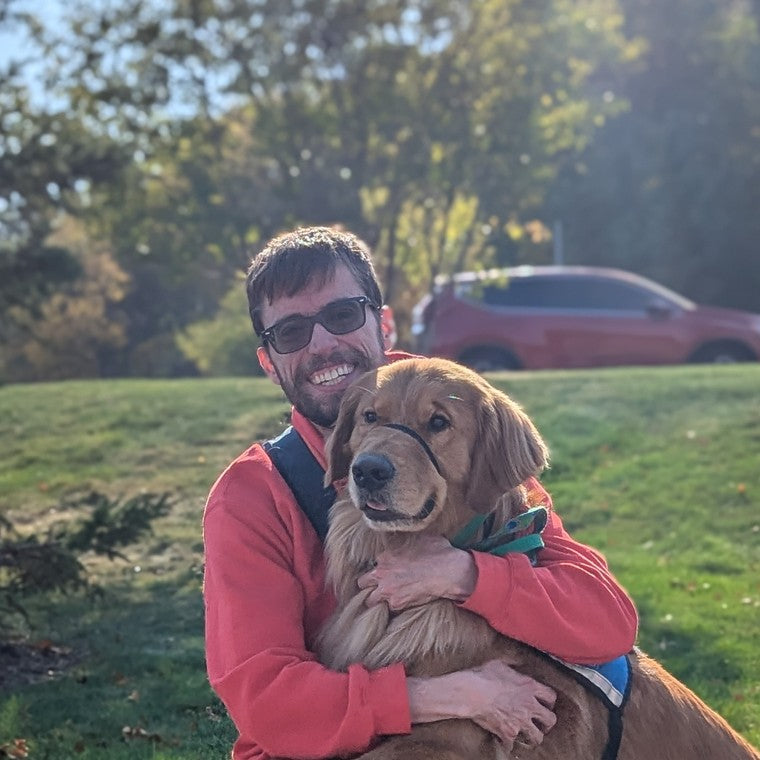
Senior dogs still need choices, novelty, and achievable jobs. The difference is the setup: steadier footing, shorter sessions, easier access, more recovery time, and frequent reassessment as vision, hearing, mobility, and cognition change.
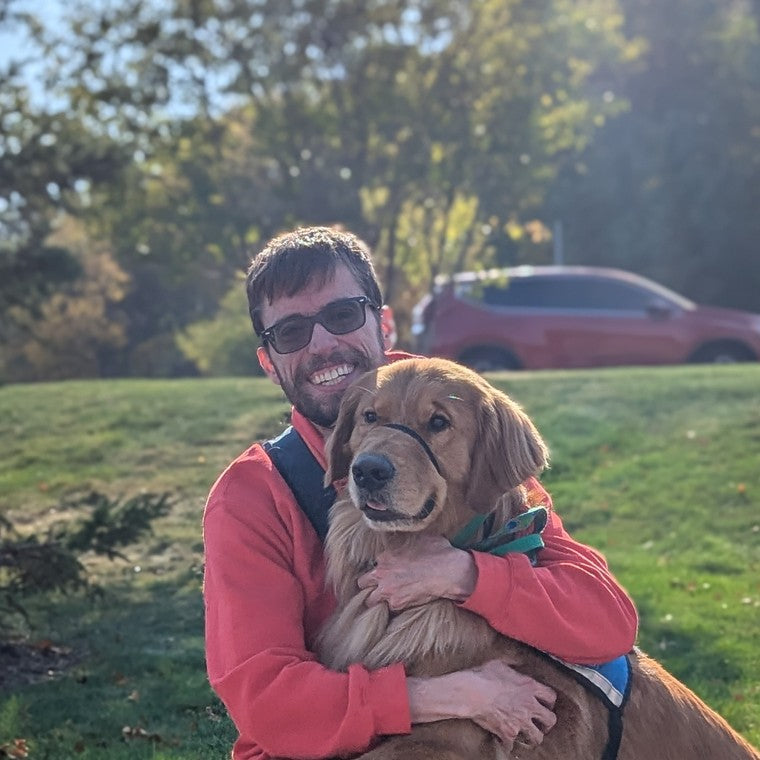
Eight gentle mental-stimulation ideas
1. Shallow scent search
Place dry food where it is visible and easy to reach. A supervised Snuffle Mat can keep hides close without asking for jumping or running.
2. Sniff-focused walk
Cover less distance and allow more time at safe scent spots. Choose a predictable route and non-slip, level surfaces.
3. One new cue
Teach a low-movement behavior such as a nose touch, chin rest, or looking toward a named object. Keep repetitions brief.
4. Familiar-cue sequence
Link two or three easy behaviors the dog already enjoys. Success and connection matter more than novelty.
5. Find the person nearby
Hide around a doorway or close corner, call once, and celebrate the find. Avoid stairs and slippery floors.
6. Sound or texture choice
Offer two safe toys with distinct textures or quiet sounds. Let the dog choose without pressure.
7. Window or porch observation
Create a comfortable place to watch and sniff the world if that activity is relaxing rather than triggering.
8. Simple food cup
Hide one reward under one of two sturdy cups. Make the answer easy and prevent chewing.
Cornell's senior dog enrichment guidance says older dogs can still learn and enjoy food puzzles, modified play, simple tricks, scent games, and sniff-centered walks. It also recommends discussing safe activities with a veterinarian and reassessing abilities often. See Cornell's senior enrichment guide.
Use the comfort-first test
Before an activity, check five things:
- Footing: can your dog stand, turn, and lower the head without slipping?
- Reach: are rewards and objects low enough to access comfortably?
- Senses: can the cue be adapted for reduced hearing or vision?
- Duration: can the dog finish before tiring?
- Recovery: does the dog settle comfortably afterward without stiffness or distress?

A five-minute senior nose-work session
- Place the mat on a dry, non-slip floor with room for a comfortable stance.
- Scatter a small amount of the dog's usual dry food on the surface.
- Let the dog search at their own pace while you supervise.
- Stop if the dog loses balance, becomes frustrated, or chews the fabric.
- Shake out crumbs and put the mat away after the search.
Keep several pieces visible. Difficulty is not the measure of success. The goal is a safe, voluntary activity your dog understands.
Filter ideas for a senior dog
Select senior, the dog's current energy, the time available, and whether food is appropriate.
Use the free enrichment generatorWhen behavior changes need a veterinary conversation
New disorientation, sleep-wake reversal, house soiling, altered social interaction, anxiety, repetitive behavior, appetite changes, or difficulty navigating familiar spaces should not be dismissed as "just old age." Cornell's cognitive dysfunction overview notes that age-related cognitive disease can progress gradually and that early veterinary assessment matters. See Cornell's cognitive dysfunction guidance.
AAHA also recommends adapting mental, physical, and sensory enrichment to the aging pet while monitoring pain, cognition, and mobility. See AAHA's senior enrichment overview.
Keep plan and novelty in balance
Many senior dogs rely on predictable meal, bathroom, sleep, and walking schedules. Add novelty inside that structure: a new scent on a familiar route, a different easy hiding spot, or one new cue at the same time of day. Do not rearrange the whole environment to make an activity "interesting."
Related: signs your senior dog is slowing down, possible signs of joint pain, and how to clean a Snuffle Mat.
Frequently asked questions
Can old dogs learn new tricks?
Many can. Use short sessions, simple cues, comfortable positions, and rewards appropriate for the dog. Adapt expectations to health and sensory changes.
Are snuffle mats suitable for senior dogs?
They can be when the dog is supervised, the footing is stable, the food is easy to reach, and the dog does not chew the fabric. Ask a veterinarian about individual mobility or diet limits.
How long should a senior enrichment session last?
There is no universal duration. Start with a few minutes and watch posture, breathing, focus, balance, and recovery. Stop while the dog is still comfortable.